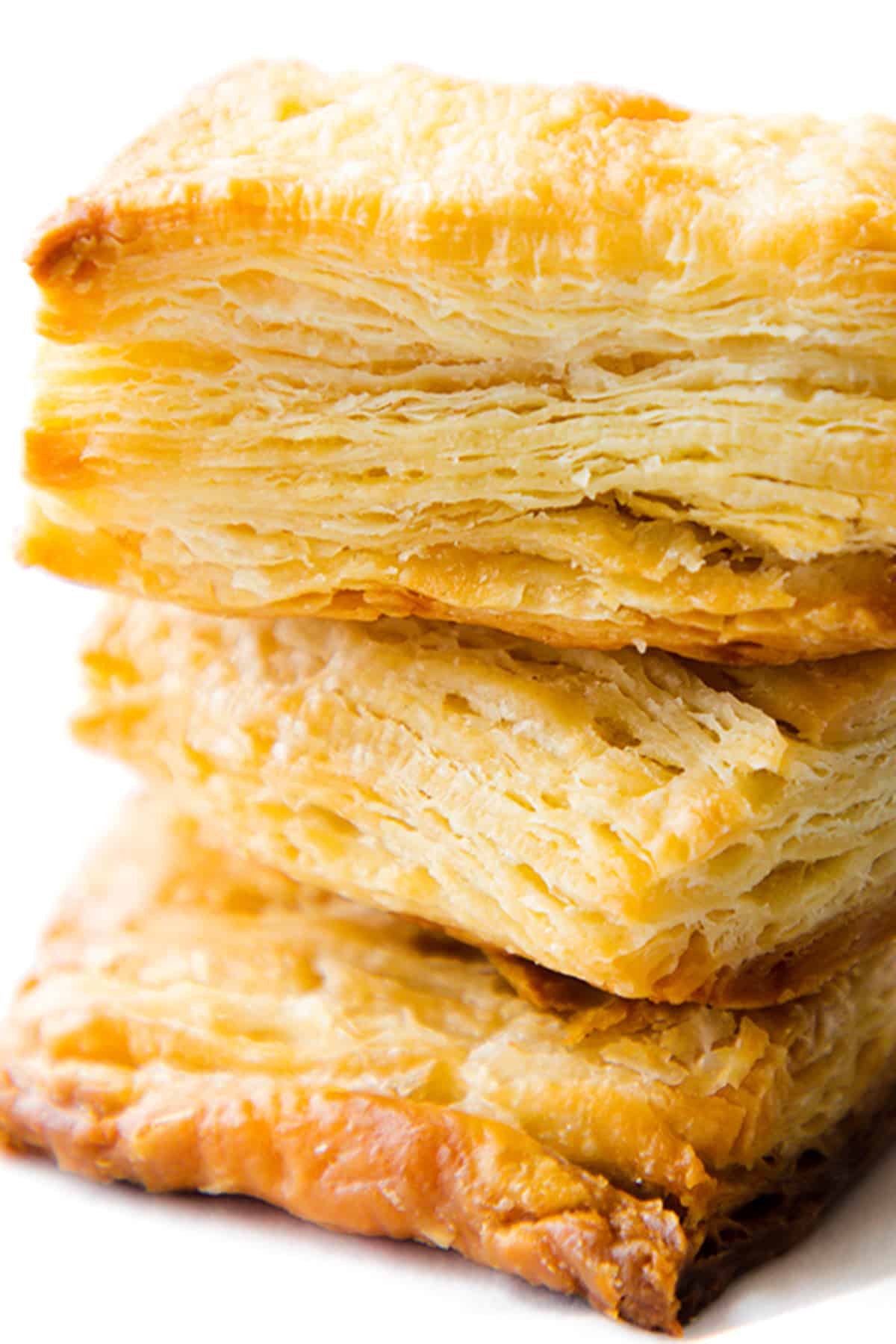
Mastering Easy Rough Puff: Your Quick Path to Flaky Pastry
Imagine serving up golden, flaky pastries that melt in your mouth, whether they're sweet apple turnovers or savory pot pie toppings. Now, imagine achieving that buttery perfection without the multi-day commitment of traditional puff pastry. Enter "easy puff pastry rough puff"—the culinary secret that makes homemade flaky pastry accessible to every home baker, even absolute beginners. This ingenious technique delivers near-identical results to its complex cousin but slashes the preparation time from days to mere hours, making it an absolute game-changer in your kitchen.
If you’ve ever felt intimidated by the intricate folding and chilling required for classic puff pastry, you’re not alone. Many aspiring bakers resort to store-bought options, believing the homemade version is simply too difficult. This article will show you why the rough puff method is not only quick and easy but so rewarding that you’ll never look back at pre-packaged dough again. Get ready to unlock an endless supply of crunchy, buttery goodness with minimal effort!
What Exactly is Rough Puff Pastry? The Simpler Secret to Flakiness
At its heart, rough puff pastry (often called "quick puff" or "flaky pastry") is a simplified, more forgiving version of traditional puff pastry. Both rely on the magical interaction of butter, flour, and water to create countless layers of flaky perfection. However, their methods of achieving this lamination are distinctly different.
Traditional puff pastry involves meticulously encasing a large, flat slab of butter within a dough, then repeatedly rolling, folding, and chilling (known as "turns") to create hundreds of distinct, paper-thin layers. This process is precise, time-consuming, and demands strict temperature control to prevent the butter from melting and integrating fully into the dough. The result is an incredibly delicate, almost shatter-like texture with an impressive rise.
Rough puff, on the other hand, embraces a more rustic approach. Instead of a single butter slab, very cold butter is diced or grated and quickly worked into the flour mixture in discernible chunks. When the dough is rolled and folded (fewer times than traditional puff), these butter pieces flatten into non-continuous layers throughout the dough. As the pastry bakes, the water content in the butter turns to steam, pushing the layers apart and creating that characteristic airy, flaky structure. While it might not boast the exact same ultra-fine lamination as a classic puff, the difference in everyday baking applications is often negligible, and the rich, buttery flavor is undeniably present. It truly is the perfect middle ground for those seeking exceptional results without the fuss. For a deeper dive into why this method might just be superior for the home cook, explore
Why Rough Puff Beats Traditional: Flaky Pastry Made Easy.
Why Choose Easy Rough Puff: Benefits for Every Baker
The advantages of opting for easy rough puff over its more demanding counterpart are numerous, particularly for busy home cooks and baking enthusiasts alike:
*
Significantly Faster Preparation: This is arguably the biggest selling point. Traditional puff pastry can take an entire day, or even two, due to numerous chilling and resting periods (often 6-8 turns, each requiring a rest). Rough puff typically requires only two main resting periods: an initial chill of 2 hours (or more) and a shorter 15-minute rest between the final folds. This means you can go from raw ingredients to usable dough in just a few hours.
*
Beginner-Friendly Technique: The "rough" in rough puff implies less precision. You don't need to worry about perfectly square butter slabs or impeccably sharp folds. The forgiving nature of incorporating butter in chunks means small imperfections won't ruin your final product. It’s an ideal entry point for anyone nervous about pastry making.
*
Fewer Ingredients, Simple Equipment: You’ll likely already have everything you need: flour, cold butter, cold water, and a pinch of salt. No specialized tools are required beyond a rolling pin and a cool surface.
*
Outstanding Results: While it might not have the 729 layers of butter sometimes attributed to traditional puff, rough puff pastry still delivers incredibly flaky, buttery, and satisfying results. Many experienced bakers argue that for most savory and sweet applications, the difference is practically imperceptible to the average palate, yet the effort saved is immense.
*
Cost-Effective: Making your own pastry from scratch is almost always cheaper than buying pre-made, store-bought versions. Plus, you control the quality of ingredients, opting for the best butter for superior flavor.
*
Versatility Unleashed: With rough puff in your repertoire, a world of baking opens up. From elegant desserts to hearty main courses, its applications are incredibly broad.
The Keys to Rough Puff Success: Tips for a Perfect Pastry
Achieving that signature flaky texture with your easy rough puff isn't complicated, but it does hinge on a few critical principles. Mastering these simple tips will ensure your pastry rises beautifully every time:
*
Keep Everything COLD: This is the golden rule of any laminated pastry. Cold butter is essential because it remains in distinct pieces within the dough. As the pastry bakes, these cold butter pieces melt, releasing steam that pushes the layers apart, creating flakiness. If your butter is too warm, it will integrate too much with the flour, resulting in a tougher, less flaky dough.
* *Tip:* Use butter straight from the fridge. You can even grate it or dice it finely to ensure it stays cold and distributes evenly. Some even chill their flour, water, and rolling pin!
*
Use Ice-Cold Water: Just like butter, the water you add to your dough needs to be as cold as possible. This helps to keep the butter firm and prevents the gluten in the flour from developing too quickly, which can lead to a tough pastry.
*
Handle Minimally: Overworking the dough develops gluten, making it elastic and difficult to roll, and ultimately resulting in a tough pastry. Mix just until combined, and when rolling, use firm, even strokes rather than excessive pressure. The goal is to flatten the butter pieces, not to knead the dough.
*
Respect the Resting Times: The two resting periods are not optional; they are crucial.
* The initial longer rest (at least 2 hours, or even overnight) allows the gluten in the dough to relax after mixing and rolling. This makes the dough much easier to roll out without it springing back. It also chills the butter thoroughly.
* The shorter 15-minute rest between turns helps the butter firm up again and the dough to relax before its final roll-out. Don't skip these!
*
Work Quickly: Especially during the rolling and folding stages, try to work efficiently to minimize the time the dough and butter spend at room temperature. If your kitchen is warm, consider popping the dough back into the fridge for a few minutes if it starts to feel too soft.
A Nod to History: When All Puff Was "Rough" Puff
It might surprise you to learn that what we commonly call "rough puff" today actually predates the highly laminated puff pastry we think of as "traditional." Looking back through historical cookbooks reveals that for centuries, the primary method for making flaky pastry closely resembled our modern rough puff.
Early recipes, such as those found in Thomas Dawson's
The Good Houswifes Jewel (1596), describe a method where butter was diced and "peppered" or "rubbed in" to the dough, then rolled and folded with additional butter added between turns. This approach was echoed in subsequent centuries by culinary luminaries like Sarah Harrison (1751), Elizabeth Raffald (1769), and Eliza Acton (1845). It wasn't until Alexis Soyer's
A Shilling Cookery for the People in 1855 that we find a clear recipe for puff pastry using a single, bashed-out layer of butter, signaling the advent of the more complex laminated technique.
This historical context is reassuring: far from being a "lesser" version, easy rough puff pastry is a tried-and-true, historically accurate method for achieving delicious flaky results. So, when you’re making rough puff, you’re not just taking a shortcut; you’re embracing centuries of culinary tradition.
Endless Possibilities: What Can You Make with Easy Rough Puff?
Once you've mastered the
easy puff pastry rough puff, a world of baking opportunities opens up. Its versatility makes it suitable for an astonishing array of dishes, both sweet and savory. Here are just a few ideas to get your culinary creativity flowing:
*
Sweet Treats:
*
Apple Turnovers: A classic for a reason, with warm spiced apples encased in flaky pastry.
*
Palmiers (Elephant Ears): Simple, elegant, and addictive, made by rolling the dough with sugar.
*
Fruit Tartlets: Individual portions filled with seasonal fruits and a touch of cream.
*
Strudels: A more forgiving base for fruit or cheese fillings than traditional strudel dough.
*
Jam Puffs: Small squares of pastry topped with a dollop of your favorite jam.
*
Savory Delights:
*
Pot Pie Toppings: Elevate any chicken, beef, or vegetable pot pie with a golden, flaky crust.
*
Sausage Rolls: A British classic, perfect for snacks or appetizers.
*
Savory Hand Pies: Fill with anything from spinach and feta to spiced lamb.
*
Vol-au-vents: Small hollow cases perfect for creamy savory fillings.
*
Cheese Straws: Thin strips of pastry twisted with cheese and baked until crisp.
*
Quiche or Tart Crusts: A wonderfully flaky base for your favorite quiche.
The beauty of rough puff is its adaptability. It transforms simple fillings into impressive dishes, proving that flaky pastry doesn't have to be a special occasion undertaking. For more inspiring ideas on how to incorporate this fantastic pastry into your cooking, check out
Unlock Flaky Pastry: The Simpler Secret of Rough Puff.
Conclusion: Embrace the Flakiness!
The journey to making your own delicious, flaky pastry doesn't have to be a daunting one. With the easy rough puff method, you have a powerful, beginner-friendly technique that delivers outstanding results with significantly less time and effort than traditional puff pastry. By focusing on cold ingredients, minimal handling, and respecting those crucial resting times, you'll be creating buttery, crisp layers that will impress everyone who tries them. So, cast aside any past pastry fears, grab your ingredients, and empower yourself to bake incredible treats from scratch. Once you experience the joy and satisfaction of your homemade easy puff pastry rough puff, you’ll find yourself reaching for store-bought options far less often, if at all. Happy baking!